Exaud Blog
Blog
Why Generic HR Falls for Consulting resource Planning
Discover why traditional HR falls short in resource planning and how a specialized approach helps optimize talent allocation and project delivery.Posted onby ExaudResource Planning for Consulting Teams: Why Generic HR Tools Fall Short
Most consulting and tech agency teams manage resource planning with a combination of spreadsheets, calendar blocks, and institutional knowledge held by a few senior people. They know it is not working well. Projects get overloaded in the same team while others sit underutilized. Skills are allocated by habit rather than by what the project actually needs. Utilization numbers are only visible in retrospect, after the quarter has already closed.
The standard answer is to buy an HR platform. The problem is that general HR tools were built for a different problem. They manage headcount, benefits, compliance, and performance cycles. They were not built to answer the questions that drive consulting operations: who is available next Monday with the right skills, which projects are at risk of overallocation, and what does utilization look like six weeks from now if we win the proposal currently in the pipeline. As we cover in our post on choosing the right software development partner, the most expensive tool decisions are the ones where the tool solves a related but different problem from the one you actually have.
This post covers what resource planning for consulting teams actually requires, where generic HR tools fall short, and what to look for in a solution that fits how professional services firms actually operate.
The Consulting Resource Planning Problem
Consulting and tech agency operations run on a set of planning questions that repeat every week. Who has capacity for a new engagement? Does the team on Project A have the skills the client needs in phase two? If we win the proposal we submitted last week, who comes off what to staff it? What does overall utilization look like if two projects run late at the same time?
Industry benchmarks illustrate how much is at stake. The average billable utilization for professional services firms was 66.4% in 2025, according to SPI Research, against an optimal target of 75%. That gap maps directly to margin: every percentage point of utilization below target represents lost billable revenue that cannot be recovered. The math is straightforward. The operational challenge is that closing that gap requires visibility that most consulting teams simply do not have in real time.
Generic HR tools provide a roster and an org chart. They tell you who works at the company and what their role is. They do not tell you who is available next week, which projects are drawing on which skills, or where your utilization is trending relative to your pipeline. That is a different software problem, and the tools built to solve it are different.
Why Generic HR Tools Fall Short
The gap between what general HR platforms provide and what consulting operations need shows up in a few specific places.
No project-level allocation visibility. HR platforms manage people. Consulting resource planning requires managing people in the context of projects. Who is allocated to what project, at what percentage of their time, for what period, and with what expected output: these are the fields that matter for a consulting operation. Generic HR tools either do not capture this at all or capture it in a way that is not queryable in real time.
No skills-based matching. When a new project requires a specific technology stack or a certification, the question is not just who is available but who is available and qualified. Generic HR tools store skills data in ways that are not designed for active matching against project requirements. Finding the right person for a specific engagement requires either manual knowledge or a dedicated skills management layer that most general HR tools do not provide.
No forward-looking utilization view. Utilization is the central financial metric for any consulting business, but most HR tools show it historically if they show it at all. What consulting leaders need is a forward view: what is the projected utilization for each team member over the next four to eight weeks, how does that change if the pipeline proposal is won, and which people are at risk of burnout or underutilization before it shows up in the timesheet. That requires connecting allocation data with project timelines and pipeline data, which is architecture that general HR tools were not built for.
No pipeline-to-staffing connection. A consulting firm's staffing decisions are driven by what is in the pipeline, not just what is currently active. When a proposal is in late-stage negotiation, the operations team needs to know whether it can be staffed if won and what the impact on current project teams would be. This planning horizon requires connecting CRM or pipeline data with resource allocation data. That integration does not exist in general HR tools.
What Purpose-Built Resource Planning Actually Covers
Tools designed for professional services resource planning share a set of capabilities that general HR platforms do not. Understanding what to look for helps narrow down the right approach before evaluating specific products.
Real-time allocation views. A calendar or timeline view showing who is allocated to what project at what percentage of their time, updated in real time as projects change. This is the foundation. Without it, every other planning question requires a manual reconciliation exercise before it can be answered.
Skills database with active matching. A structured repository of skills and certifications for each team member, paired with a matching capability that surfaces available people with the right profile for a given project requirement. SPI Research found that firms using purpose-built professional services automation tools report 10% higher billable utilization than those relying on spreadsheets, and the skills-matching capability is one of the primary drivers of that difference.
Forward utilization forecasting. Projected utilization by person and by team over a rolling four-to-twelve-week window, updated as project timelines change and new allocations are made. This is what turns resource planning from a reactive exercise into a proactive one, because it surfaces problems while there is still time to address them.
Pipeline integration. The ability to model what staffing looks like if a specific pipeline opportunity is won, before committing to it. This requires either a CRM integration or a pipeline data input that connects probability-weighted future revenue to current capacity.
Built, Buy, or Customize
The market for purpose-built consulting resource planning tools is active. Platforms like Kantata, Float, Resource Guru, Scoro, and others cover the core capabilities described above with varying degrees of depth. For teams whose operations map reasonably well to what these tools were designed for, buying and configuring a dedicated platform is almost always the right approach. The same logic we cover in our post on custom software vs off-the-shelf applies directly: if your process is standard, the off-the-shelf tool built for that process will outperform a custom build on time-to-value and total cost of ownership.
The cases where consulting teams end up with a custom or highly customized resource planning layer are typically those where the firm's operating model is genuinely non-standard: firms that manage a combination of staff, contractors, and subcontractors across multiple legal entities; firms with unusual billing models that existing tools do not handle well; or firms where the resource planning function is deeply integrated with proprietary project delivery or financial systems that off-the-shelf platforms cannot connect to.
For those cases, a custom layer built on top of an off-the-shelf platform, rather than a full custom system, is usually the better balance between fit and maintenance cost. The goal is to handle the non-standard parts with custom code while relying on the off-the-shelf platform for the standard capabilities it already does well.
What was our approach to the problem
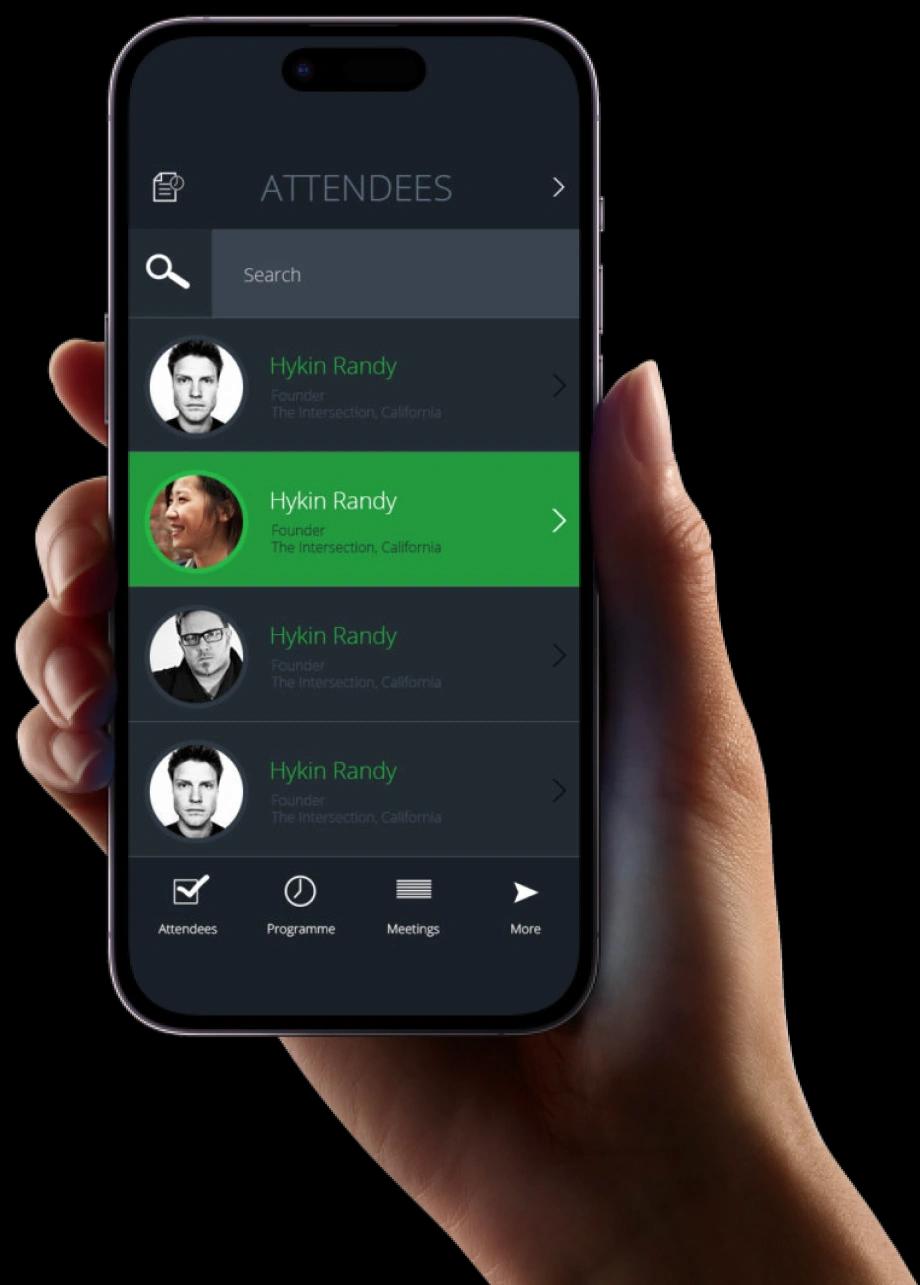
Exaud HR is a resource planning tool built specifically for tech agencies and consulting teams. It covers the allocation, skills, and utilization visibility that general HR platforms do not, with a focus on the forward-looking view that matters most for operations decisions: who is available, with what skills, and what does utilization look like if the current pipeline converts.
We built it because we faced the same problem running our own engineering teams. The tools available were either too broad (general HR) or too complex and expensive for a team of our size. The result is a tool designed for the specific operational reality of a tech consulting firm. For context on how we think about software decisions for professional services firms, our post on how to choose the right software development partner covers the evaluation criteria that translate well to any tool selection decision in a services context.
If you are evaluating resource planning options for your consulting or agency team, get in touch and we can walk through whether Exaud HR fits your operating model or whether a different approach makes more sense.
Frequently Asked Questions
What is resource planning for consulting firms?
Resource planning for consulting firms is the process of matching available people, with the right skills and at the right times, to project needs, while maintaining visibility into utilization rates and forward capacity. It differs from workforce planning in general businesses because the relevant planning horizon is driven by project timelines and pipeline probability rather than by annual headcount targets. The central questions are operational and near-term: who is available for a new engagement, which projects are at risk of overallocation in the next four weeks, and what does the staffing picture look like if a pipeline proposal converts. Answering these questions accurately and in real time is what purpose-built resource planning tools for consulting firms are designed to do.
Why do generic HR Tools fall short for consulting teams?
Generic HR tools were built to manage the employment relationship: headcount, compensation, benefits, compliance, and performance. They were not built to manage the dynamic, project-based allocation of people across a portfolio of concurrent engagements. The specific gaps are real-time allocation visibility by project, skills-based matching against project requirements, forward utilization forecasting over a rolling planning horizon, and pipeline integration that lets teams model the staffing impact of winning a proposal before committing to it. Some HR platforms have added resource management modules, but these are typically designed for the standard enterprise case rather than for the project-based economics of a consulting or agency operation.
What is billable utilization and why does it matter?
Billable utilization is the percentage of a consultant's available working time that is spent on client-billable work. SPI Research's 2025 Professional Services Maturity Benchmark puts the optimal threshold at 75%, with the industry average at 66.4%. The gap matters because it maps directly to revenue. A team running at 66% utilization when it could be running at 75% is leaving approximately 9% of potential revenue on the table for every person on the team. At scale, that is a significant margin difference. The challenge is that closing the gap requires operational visibility that most teams do not have: knowing which people are underutilized before the week is over rather than after the timesheet is closed.
What is the difference between resource planning software and PSA software?
Professional Services Automation (PSA) software is a broader category that typically covers project management, time tracking, billing, and financial reporting alongside resource planning. Resource planning software is narrower, focusing specifically on the allocation and utilization layer. The right choice depends on which problems you are trying to solve. If resource allocation and utilization visibility are the primary pain points, a dedicated resource planning tool is often faster to implement and simpler to maintain than a full PSA platform. If the firm also needs project delivery management, automated billing, and integrated financial reporting in a single system, a PSA platform covering all of these is worth the additional complexity. Many consulting firms use a combination: a PSA platform for project and financial management, and a dedicated resource planning tool that integrates with it for the allocation and utilization layer.
How do you improve billable utilization without overloading your team?
Improving billable utilization without driving burnout requires forward visibility, not just historical tracking. The operational lever is reducing the time between a consultant becoming available and that consultant being allocated to the next engagement. SPI Research data shows that firms using purpose-built professional services tools report 10% higher utilization than those relying on spreadsheets, and the primary mechanism is speed: knowing who is available, with what skills, and being able to propose them to a client request within hours rather than days. The complementary constraint is monitoring for overallocation before it causes problems. Forward utilization views that surface people who are trending above sustainable capacity in the next four to six weeks are what allow managers to rebalance before burnout shows up in attrition.
Related Posts
Subscribe for Authentic Insights & Updates
We're not here to fill your inbox with generic tech news. Our newsletter delivers genuine insights from our team, along with the latest company updates.